

How Do I Build Intimacy In A Healthy Way?
TLDR: Put yourself out there a little (sharing, boundary setting, disagreeing, being vulnerable, etc.) and see if it’s handled with care and reciprocated. If yes, do it again (green flag)! If not, assess why not and either do some problem-solving (yellow flag) or reconsider if this person is healthy for you (red flag).

Valentine’s Day as a therapist has me thinking about how my clients desire love and connection, but are often unsure how to go about pursuing this in a healthy way given their life experiences.
Love and connection and intimacy are basic human needs. They significantly improve our health, well being, and quality of life and we depend on them for survival as babies and children. While the format may vary (family vs romantic vs friend relationships), we all have the need for intimacy - to know and be known in a deep way.
And yet, intimacy can be challenging to find, build, and maintain when your life has been shaped by trauma or loss. This is because there is no path to intimacy without vulnerability, and vulnerability is scary and even dangerous after trauma or loss (if you’re interested in learning about trauma treatment check out my free Trauma Healing Guide).
It can also be hard to know how to build healthy intimacy when you were raised in a family with unhealthy relationships.
What is healthy intimacy?
“Boundaries are the distance at which I can love you and me simultaneously” - Prentis Hemphill
Healthy intimacy has good boundaries, is reciprocal, and develops alongside getting to know someone.
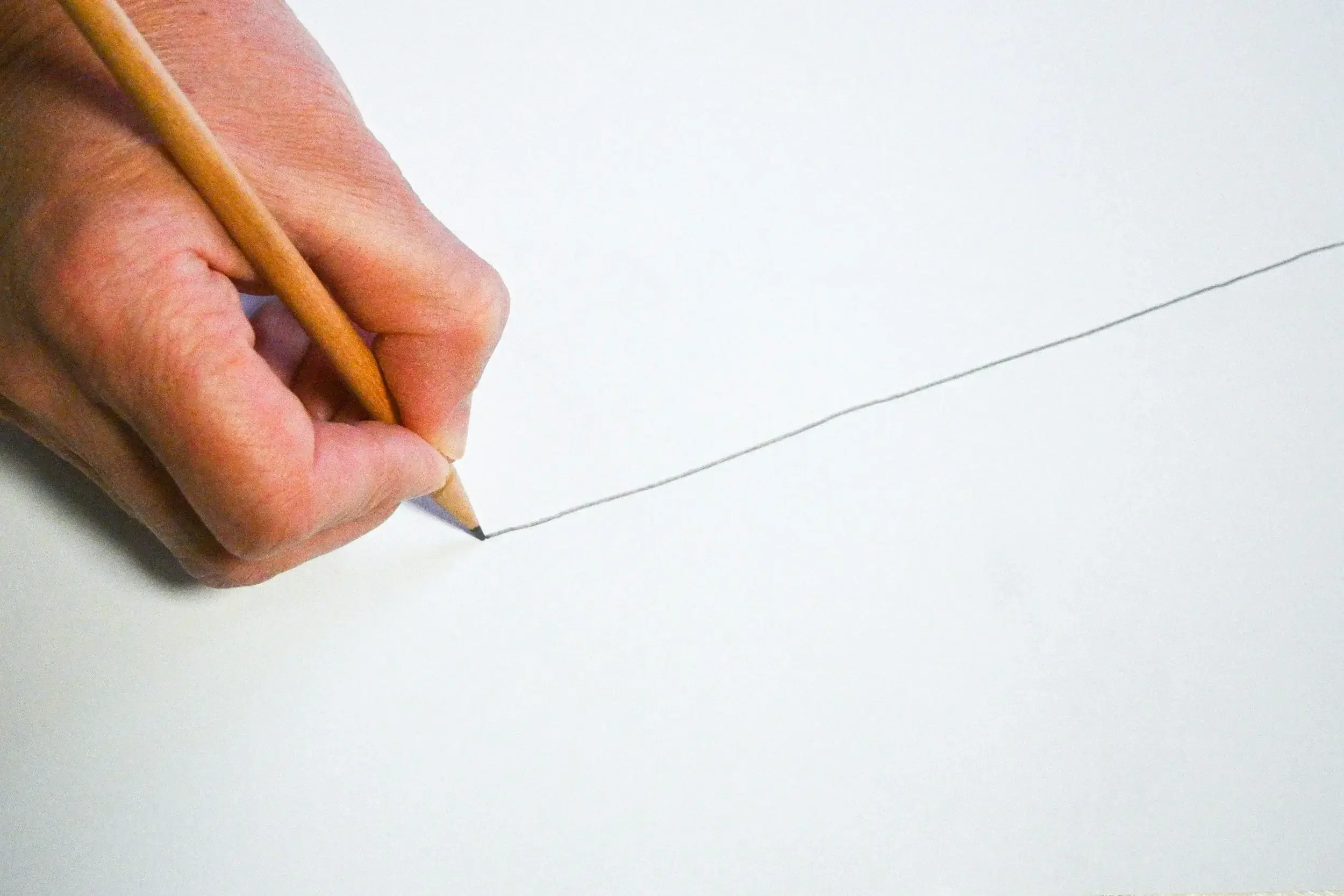
Boundaries are neither too strict (not letting people in) or too loose (people pleasing, etc.). You retain your own sense of self and your needs are prioritized and met without losing yourself in the relationship, but you also allow yourself to let the other person in. Boundaries will shift over time as you get to know the person.
The other person reciprocates sharing, opening up, supporting, etc.. The relationship feels balanced overall (not necessarily every interaction).
Intimacy grows as you get to know the other person and allow them to get to know you. It neither lags behind (you know each other well but there is little real closeness), nor moves ahead of how well you know each other (diving in before you know the other person well enough to know if they can meet your needs).
Remember, boundaries aren’t about what OTHER people are doing, it’s about what YOU will and won’t participate in.
How do I build intimacy in a healthy way?
A little bit at a time. 🙂
Keeping in mind the above description of healthy intimacy, put yourself out there a bit and see how the other person responds.
The idea is you want to gradually be vulnerable while also assessing if this person is kind, safe to be vulnerable with, and reciprocates. You don’t want to either be super vulnerable before knowing if the person is trustworthy and deserving of your vulnerability, but you also don’t want to hold back and keep the person at arm’s length when the person is demonstrating that they can hold space for you with kindness.
Putting yourself out there could be sharing something, showing a different side of yourself, letting them see you in a moment of struggle or vulnerability, asking for help, saying no, disagreeing, etc..
Then pay attention to how the other person responds. Do they listen? Are they supportive? Do they respond with respect, appreciation, or thoughtful questions? Do they reciprocate? The other party’s reaction will tell you a lot - it will tell you if they are kind, respectful, trustworthy, able to be attuned to you, able to be supportive, and able to build intimacy in a healthy way.
If you set a boundary or voiced disagreement, pay special attention to how the person reacts to that. Knowing whether someone can accept differing opinions, boundaries, or hear “no” will tell you a lot about if the person is capable of a healthy, respectful relationship.

If the other person generally responds with kindness, respect, and interest, and reciprocates by putting a little bit of themselves out there, this is a waving green flag to continue building intimacy bit by bit.
If not, you then have to discern if the behavior is a yellow flag (proceed with caution) or a red flag (stop).
Blatant disrespect, violation of boundaries, or controlling behavior are all red flags. People with these behaviors are not people with whom it is safe to be vulnerable with.
However, for behaviors like defensiveness or an awkward response or not immediately reciprocating, you need more information. Everyone has times when they don’t behave effectively. For example, maybe first date jitters have them responding awkwardly or maybe they misunderstood you or maybe something got triggered for them.
The questions to ask yourself are 1) is this behavior a pattern?, 2) are they receptive to feedback about the behavior, and 3) can the behavior be problem solved? If it’s not a pattern or if it’s able to be addressed, then you can continue to proceed. But if the person continues to behave this way or is not receptive to feedback, then that yellow flag turned into a red flag and tells you something important.
As you can see from this discussion, being vulnerable, being yourself, avoiding people pleasing, setting healthy boundaries, giving feedback about behavior, respectfully and productively resolving conflict, being open to help, and knowing how to get to know the other person are all essential skills to building a healthy emotional connection with someone. If these are skills you struggle with, that’s not your fault, and you can learn them!
If you are interested in additional resources, check out my Trauma Healing Guide and my post How Does Trauma Impact Intimacy?
Start Therapy to Learn How to Build Healthy Relationships in Los Angeles:
If you are struggling to let go of unhealthy relationship patterns, or yearn for relationships that feel more supportive and balanced, working with a therapist to develop your relationship skills can be super helpful. Not everyone has parents that are able to teach them healthy relationship skills and trauma or loss can also make it hard to navigate relationships. Start by following these steps:
Reach out for a consultation at Well Woman Psychology.
Meet with a therapist specializing in women, relationships and trauma.
Learn healthy relationship skills and start having more satisfying, healthy relationships.
About the Author:
Dr. Linda Baggett is the owner and psychologist at Well Woman Psychology, a private therapy practice dedicated to serving women in California, Colorado, Illinois, New York, and Washington. Dr. Baggett’s entire career has been focused on helping women overcome barriers to living their best lives and she is especially passionate about helping women build the necessary skills for happy, healthy relationships of all kinds. She helps clients with trauma, relationship issues, pregnancy loss and miscarriage, infertility, perimenopause and menopause, perinatal and postpartum struggles, and body image and size-based oppression.
Disclaimer: This blog is for educational and informational purposes only, is not a substitute for individual medical or mental health advice, and does not constitute a client-therapist relationship.