

5 Ways to Protect Yourself From All the January Weight Loss Talk
TLDR: January weight-loss messaging can be overwhelming and harmful, so protect your well-being with 5 strategies that include noticing how comments or media make you feel, unfollowing or hiding content that reinforces diet culture or anti-fatness, engaging with media that supports body diversity, avoiding weight-loss ads where possible, and setting boundaries by not joining in conversations about weight or dieting.
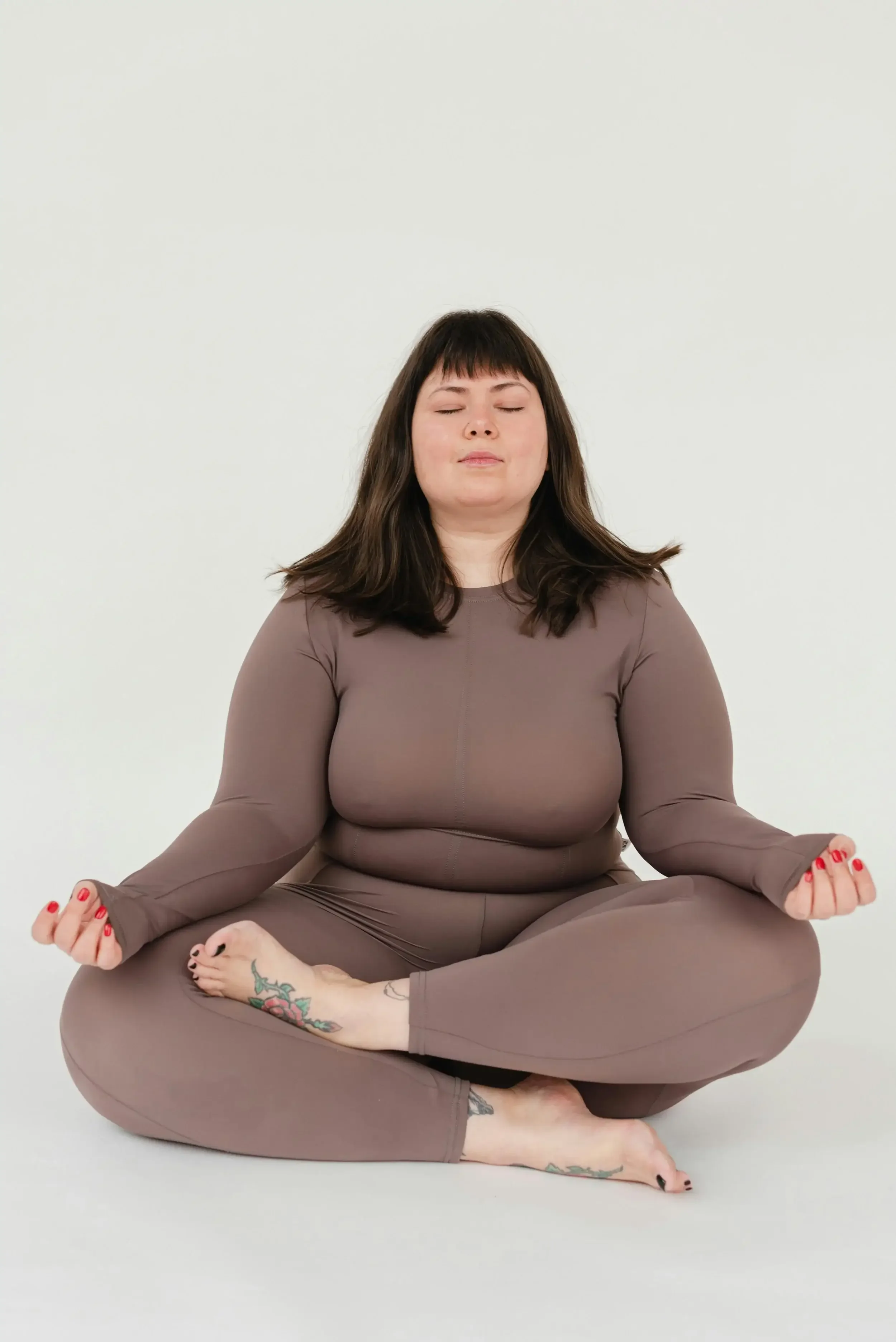
It’s a tough time to have a body right now…
Diet culture and anti-fat bias tell us that thinness is better, healthier, and/or morally superior. Diet culture and anti-fat bias tell us that to be fat is the worst thing you can be, that no matter how smart, kind, or successful you are it doesn’t matter if you are fat, and that you must do everything in your power to either stay thin or get thin. And boy are these messages everywhere.
GLP-1 ads are everywhere trying to eradicate fat people, celebrities are shrinking and becoming unrecognizable before our very eyes, and we have done a complete 180 from the gains of the body positivity movement of the 2010’s straight back in time to the 90’s heroin chic beauty standard.
This feels like no coincidence either - as Christy Harrison notes in her fabulous book Anti-Diet, if you chart the beauty ideal over time, every time women make gains in the world and secure more rights, the beauty ideal gets thinner. A hungry population focused on dieting is one that can be controlled and isn’t focused on social change. And we are most definitely in an era of moving in the wrong direction in human and civil rights across gender, race, class, etc.
For all the elder millennials out there, we had to both survive this hellscape during our vulnerable and formative teen years (remember everyone lambasting Jessica Simpson for how “fat” she was?) and now in our equally vulnerable era of approaching midlife, perimenopause, and/or postpartum years AGAIN. Awful.
January is, of course, the time when this reaches a fever pitch, and this year the volume is likely to be turned up even louder. It’s going to be like drinking from a firehose.
So, if you don’t want to get back on that bandwagon, how can you protect yourself from all the messaging telling you that making your body thin is the most important thing you should be doing?
How can I survive diet-culture weight-loss talk?
Here are some strategies to turn down this harmful noise - noise that we know causes body shame, disordered eating and exercise, weight gain, healthcare avoidance, intimacy problems, and is a strong, independent risk factor for all the health problems blamed on fatness.
Pay attention to how the noise makes you feel.
So often, we are just flitting from one thing to another without taking the time to slow down and actually check in with ourselves. This means that things are affecting our emotional state all day long without us being aware of it. Notice how you feel in response to media or comments about bodies, food, and movement. Take note of what creates feelings of shame, disgust, discomfort, anxiety, sadness, etc.. These feelings are communicating something to you about what you need - listen to them.

Unfollow, hide, and/or report anything that reinforces diet culture.
This includes ads for weight loss, “wellness” influencers that tell you how to eat “clean” or get “lean,” fitness influencers that focus on thinness, any media that only shows extremely thin and/or altered images of bodies, any comedy that makes mean jokes about fatness, any postpartum or perimenopause wellness experts that talk about how to “get your body back,” trauma media that repeats the trope that trauma causes fatness and when we heal our bodies will release extra weight… the list goes on and on. Consider your social media, email, newsfeeds, internet feeds, subscriptions and media in general.

Engage with media that challenges the narratives of diet culture.
There are many podcasts, social media accounts, and books that challenge this view and instead push messages of body diversity and acceptance, intuitive eating, exercise that is accessible to all bodies and focuses on strength and mobility rather than thinness, etc..
It’s also important to engage with media that show a diversity of bodies with respect to size, proportion, race, ability, and gender expression - all of this will help you broaden your view of beauty and worth and position body diversity as just that - natural diversity in bodies rather than a problem to be fixed. It also helps immensely to see imagery of bodies that are unaltered by surgery, AI, filters, or touchups.
Avoid ads anyway you can.
If you can afford an ad-free option, do it. If you can use an ad-blocker, do it. The absolute firehose of GLP-1 ads is really intense, moreso if the algorithm has learned that you are in a larger body. You can even report them as offensive or scams (who knows if this does any good on the larger scale, but it sure feels good to do it!).
Do not participate in conversations that feel harmful.
If family members are discussing weight and weight loss, playing food police, or even making critical comments, know that you do not have to participate in these conversations. There are many ways to set boundaries around this (more on that in a future post). It can range from a physical action like leaving the room (you can make an excuse if need be - nobody questions going to the bathroom!), to simply changing the subject, to directly verbalizing a boundary such as “I don’t discuss weight or weight loss,” or “this conversation is making me uncomfortable, I’m going to go.” If you go this route, aim to be direct, firm, and kind for maximum effectiveness (they still may get upset, but that’s on them!).
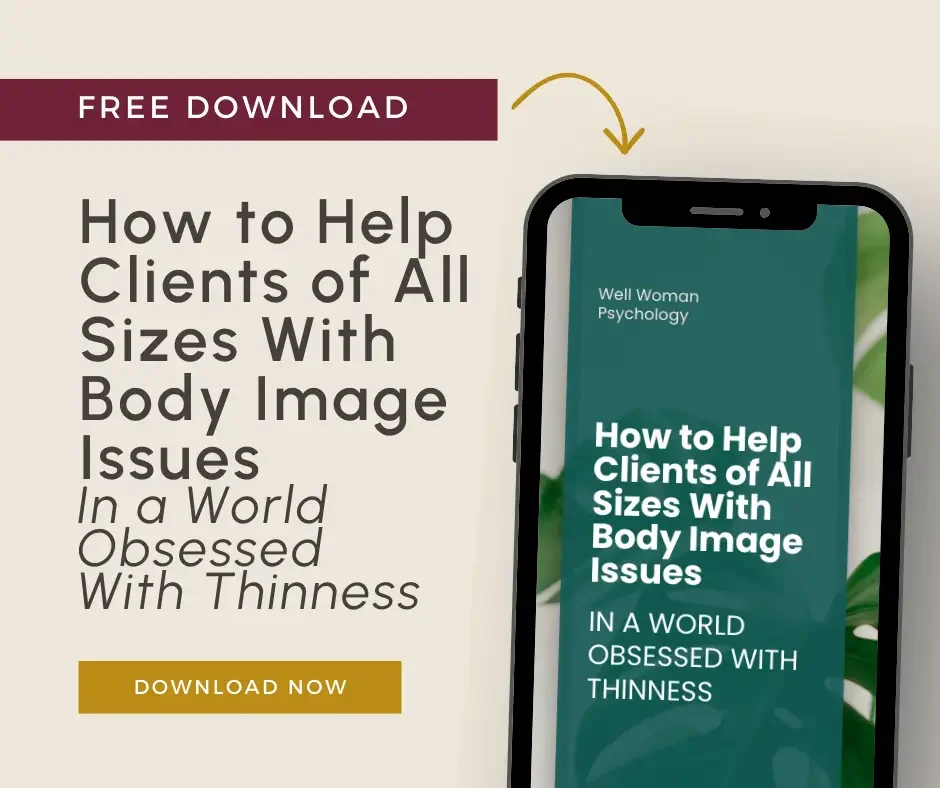
If you’re a therapist or mental health professional, check out this free resource.
How to Help Clients of All Sizes With Body Image Issues in a World Obsessed With Thinness
For therapists and mental health professionals working with clients in larger bodies or those navigating body image concerns. Weight stigma can subtly, yet profoundly, impact clients and strain the therapeutic relationship. This free guide supports clinicians in identifying anti-fat bias, understanding body shame, and offering truly weight-inclusive care for clients of all sizes.
Start Therapy to Help You Feel Better In Your Body in Los Angeles and online:
If you are struggling to cope with the barrage of negative messages telling you you’re both too much and not enough and you’re tired of feeling at war with your own body, reach out for support from a fat positive, weight-inclusive, Health at Every Size body image therapist. It is hard, but possible to build a healthy and kind relationship with your body. Start by following these steps:
Reach out for a consultation at Well Woman Psychology.
Meet with a therapist specializing in body image and body acceptance.
Learn how to release what is not serving you and more space to take up more space!
About the Author:
Dr. Linda Baggett is the therapist and CEO of Well Woman Psychology, a private psychotherapy therapy practice serving the unique needs of women. Based in California, Well Woman Psychology provides therapy virtually to residents of California, Colorado, Illinois, New York, and Washington. Dr. Baggett works with women of all sizes to unlearn the harmful messages we all learn about bodies, weight, worth, and health, and to feel liberated and at peace in their bodies. As a result, she is able to help people build a peaceful relationship with food, make movement a sustainable, non-shaming practice, and to start treating their body like a friend. She is trained in many evidence-based trauma treatments, including Health at Every Size, Body Trust, and EMDR. She also works with clients to heal from trauma, relationship issues, pregnancy loss and miscarriage, infertility, perimenopause and menopause, sex therapy, perinatal and postpartum struggles.
Disclaimer: This blog is for educational and informational purposes only, is not a substitute for individual medical or mental health advice, and does not constitute a client-therapist relationship.