

TLDR: Trauma impacts the ability to be truly intimate with others in a profound way, especially if the trauma was caused by someone who should have been caring for you instead of hurting you. There is no intimacy without vulnerability and after you have been deeply harmed by someone, vulnerability is scary and can even feel dangerous. As a result, trauma survivors develop strategies that help them feel less vulnerable and more safe, but that interfere with the development of healthy intimacy.
I love helping trauma survivors learn to shift from surviving to thriving and one of the topics we focus on the most is how to heal and learn how to have healthy and satisfying intimate relationships. This post is focused on how to BUILD a healthy intimate relationship with a new potential friend, a date, or a family member you’d like to get closer to. Fixing a relationship and moving it in a healthier direction is a whole other topic that I will focus on in a future post and, admittedly, that is harder to do (but still possible). But the best time to implement healthy intimacy skills is from the very start!
What is intimacy?
Intimacy is just closeness in a relationship. The intimacy can be physical (cuddling, sex, hand holding) or emotional (being truly seen on a deep level). Intimacy can exist in friendships, family relationships, and romantic relationships.
How does trauma impact intimacy?
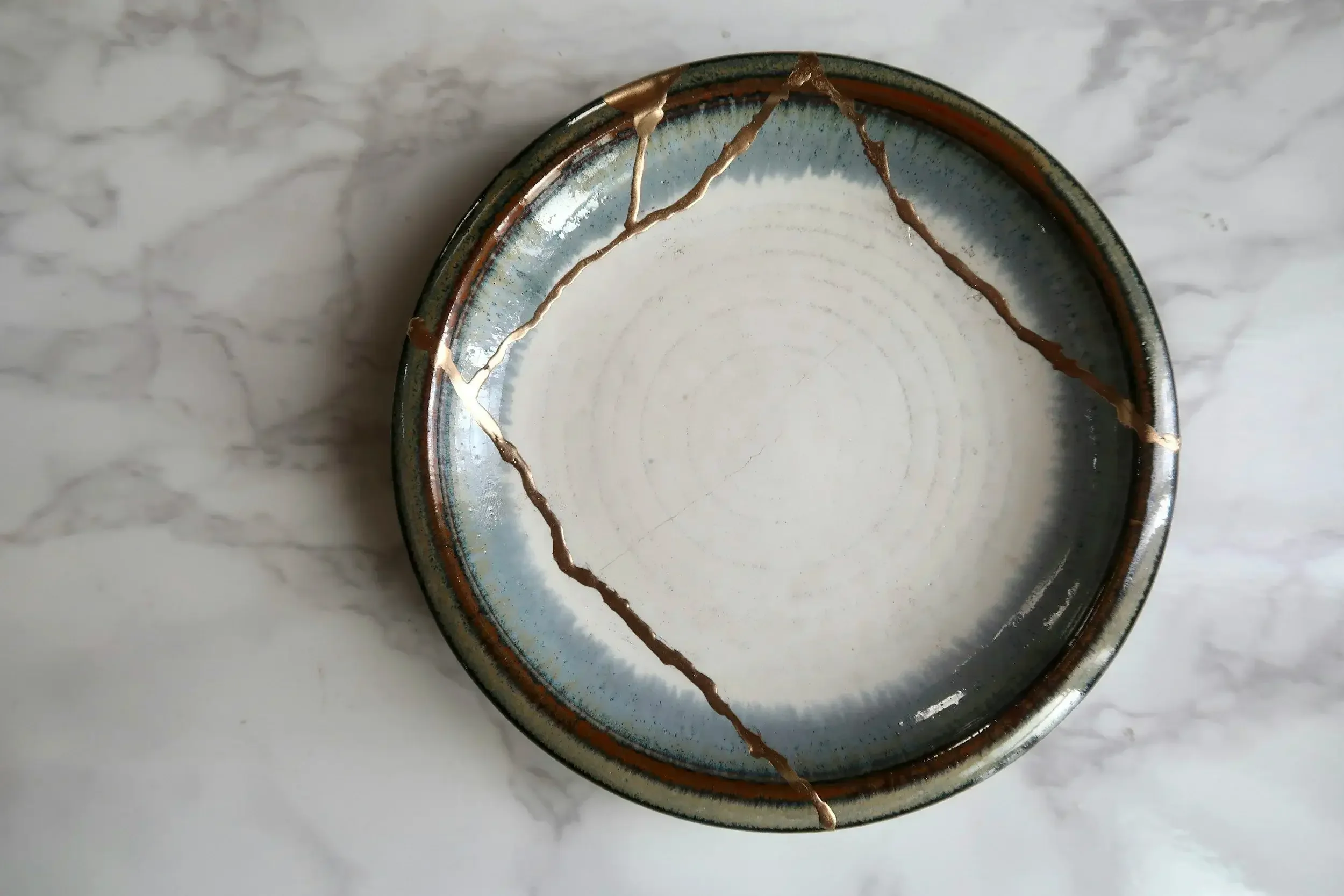
In order to get close with someone, that means you need to let them get to know your thoughts and feelings on a deep level, including the stuff that feels more vulnerable. Your fears, the things you struggle with, the ways in which you feel self-conscious.
Trauma makes vulnerability feel scary, or even dangerous, which can make it very hard to have intimate relationships. When you have been harmed, it feels incredibly scary to feel susceptible to physical or emotional harm.
This is ESPECIALLY true when the trauma was caused by someone who was supposed to be loving and caring, chronic, or repeated (example experiencing child abuse or neglect and then later sexual assault and intimate partner violence). When you have been harmed in relationships, relationships become scary.
And yet, pursuing loving, close relationships involves inherent risk - you might get hurt! The other person might disappoint you, let you down, offend you, hurt your feelings, die, etc.. They might even be abusive.
However… there is no intimacy without vulnerability. You can’t develop a real, intimate connection with someone without taking a risk by putting yourself out there. How else will someone truly get to know you? The risk someone may hurt you- whether that is by letting you down, taking advantage of you, rejecting you, or even dying- is unavoidable.

While this risk and vulnerability are scary for everyone, for a trauma survivor it can feel much more intense and lead people to engage in behaviors that help them cope with the fear, but that may get in the way of a healthy intimate connection.
After specializing in trauma and relationships for almost two decades, I find there are two general patterns to this and I call these patterns the Avoider and the Pursuer.
The Avoider: Avoids intimacy either altogether or by not getting too close in relationships. The Avoider fears people being too close, for fear of being hurt. This helps them feel safer.
The Pursuer: Desperately desires intimacy and pursues it often at the expense of self. The Pursuer fears feeling alone and unwanted, which hurts and may trigger past trauma. Being alone doesn’t feel safe. Red flags are often overlooked.
After trauma, the avoider has boundaries like Ft. Knox, and the pursuer has boundaries like a dilapidated fence. Trauma treatment can help you learn to build boundaries that are more like a sturdy, secure fence with a gate that you can open to let safe, worthy people through.
It is VERY common for the pendulum to swing between these two patterns over time. Avoiders are human and eventually get lonely and crave connection, but don’t know how to do it in a healthy way and so they move into being a Pursuer. This inevitably leads to getting into an unhealthy relationship and eventually getting hurt, which can cause the person to say “forget this, I don’t want a relationship,” shifting back into the Avoider pattern to protect themselves. But this only lasts for so long before the pattern repeats, on and on over time.
How Avoiders May Cope With Fear of Intimacy

Avoiding dating, social gatherings, or getting to know new people
Keeping people at arms length
Hyperindependence and not letting other people help you or see you struggle
Keeping relationships at a surface level, avoiding deep subjects and showing your feelings, or hiding parts of yourself (weird parts, struggling parts, etc.)
Avoiding commitment, staying connected to other interests despite being in a non-open relationship
Easily finding faults in the other person
Distancing after you get bored
Engaging in sexual relationships without emotional closeness, infidelity, or friends with benefits types of relationships in order to keep things from getting too close
How Pursuers May Cope With Fear of Feeling Alone and Unwanted

Trying to be what you think the other person wants, rather than who you are (feels like it reduces chances of rejection and if they still reject you, they are not rejecting the real you)
People pleasing and avoiding disagreement or conflict
Jumping quickly into relationships and overlooking red flags - the trajectory of the relationship outpaces how well you actually know the person.
Losing themselves in a relationship and/or taking on the other person’s problems (codependence)
Avoiding being single for very long
Overshare in the hopes of either soliciting support or unconsciously testing to see if the person will be scared off.
Avoid their own feelings of vulnerability by focusing on the other person, either trying to help them with their own problems or pouring yourself into the relationship.
Finding yourself in relationships with emotionally unavailable or abusive people
Both Avoiders and Pursuers May:
Using sex or money as a way to get people to be in a relationship with you
Finding yourself in relationships with emotionally unavailable people (people who can’t meet your emotional needs, won’t commit, are married/dating other people, , withdrawn, abusive, workaholics, etc.)
It’s important to remember that all these behaviors developed as wise, resilient ways to keep someone safer and help them survive trauma. What helped someone survive however, often interferes in thriving.
It’s also important to note that many of these behaviors by themselves aren’t inherently problematic. For example, sometimes it’s the most effective choice to not share or to present yourself as likable. But when you don’t have the relationships you want and these behaviors are patterns, there is likely a connection. If you have some of the patterns listed above, try to be gentle with yourself - these patterns served you at some point. You learned them from your environment and they helped you survive whatever challenges you were facing. And yet, it is important to recognize when they are hurting more than they are helping.
The good news is that you can unlearn old patterns that are no longer serving you and learn new skills to move you toward healthy intimate relationships. My blog post “How do I build intimacy in a healthy way” offers a roadmap. You can also check out my Trauma Healing Guide.
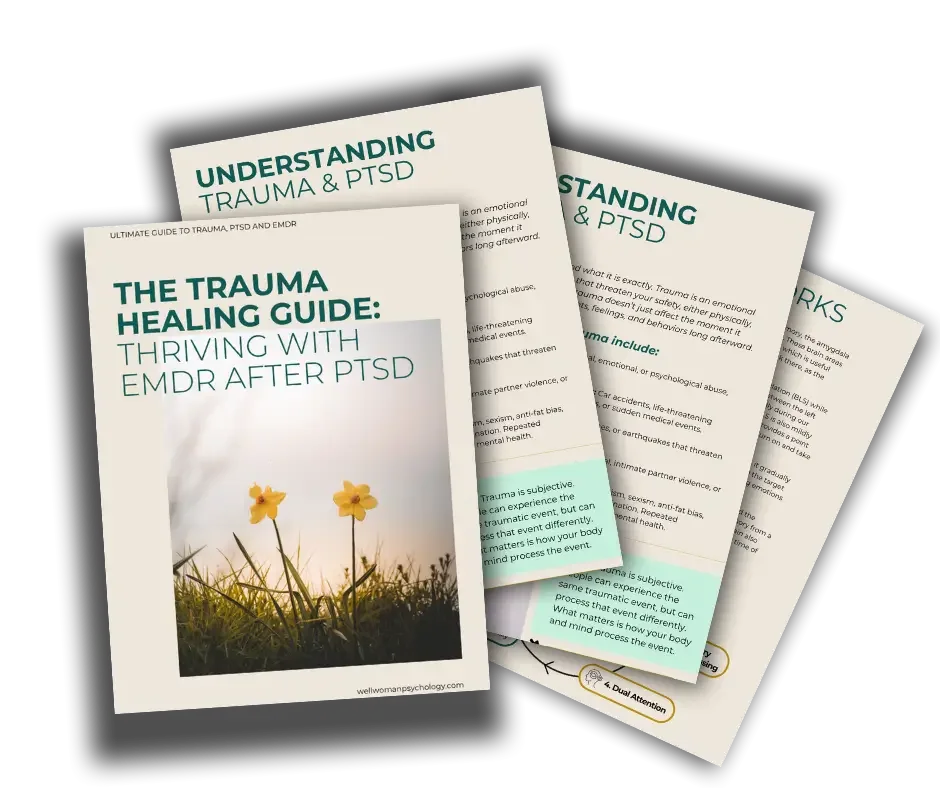
Free Resource: The Trauma Healing Guide: Thriving With EMDR After PTSD
This free guide offers a compassionate, easy-to-follow overview of trauma and PTSD, showing how EMDR therapy can support your healing. Inside, you’ll find clear explanations, practical insights, and guidance to help you decide if EMDR is right for you.
Start Therapy to Learn How to Health From Trauma and Build Healthy Intimacy in Los Angeles:
If have struggled to know how to navigate relationships and intimacy after experiencing trauma, you are not alone. Trauma has a profound impact on relationships, but you can heal and learn how to have healthy, satisfying relationships that are meeting your needs and don’t feel scary or suffocating. Start by following these steps:
Reach out for a consultation at Well Woman Psychology.
Meet with a therapist specializing in women, trauma, and relationships.
Learn heal from past trauma and start having more satisfying, healthy relationships.
About the Author:
Dr. Linda Baggett is the owner and psychologist at Well Woman Psychology, a private psychotherapy practice focused on serving women in California, Colorado, Illinois, New York, and Washington. Dr. Baggett has spent her career helping women learn to heal from the lasting impacts of trauma and build a life worth living, including healthy, satisfying relationships. She helps clients with trauma, relationship issues, pregnancy loss and miscarriage, infertility, perimenopause and menopause, perinatal and postpartum struggles, and body image and size-based oppression.
Disclaimer: This blog is for educational and informational purposes only, is not a substitute for individual medical or mental health advice, and does not constitute a client-therapist relationship.